Folk culture and educational policy in the digital age: a study of the websites of the Greek primary education directorates
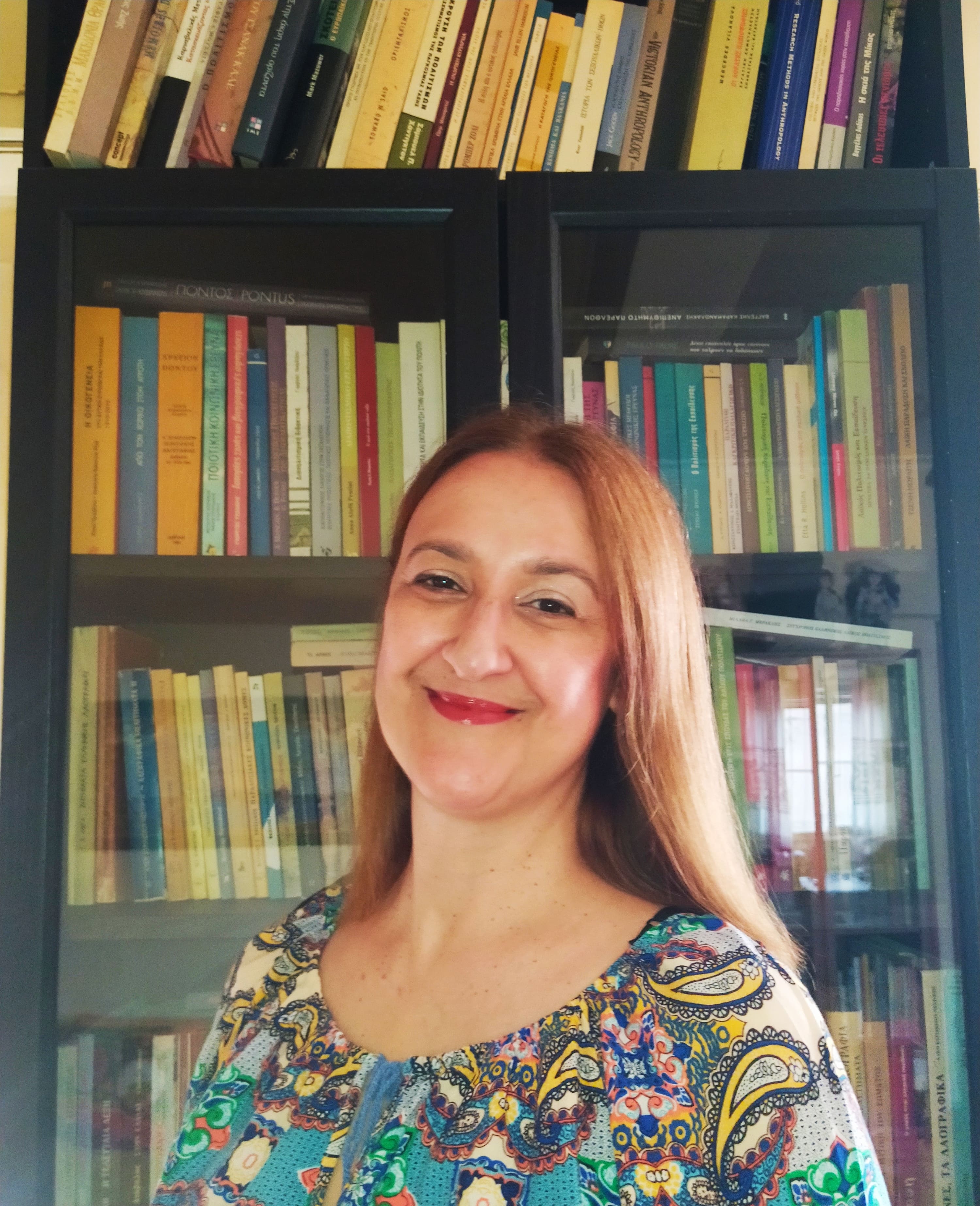
Rea Kakampoura is a Professor of Greek Folkloristics and the Director of the Laboratory of Social Sciences at the Department of Pedagogy and Primary Education, National and Kapodistrian University of Athens. She founded and is the Scientific Coordinator of the Life Stories Archive at the same Department. She is a Member of the National Council for Intangible Cultural Heritage of the Hellenic Ministry of Culture (for the implementation of UNESCO’s ICH Convention, 2003) and Executive Secretary of the Board of the Hellenic Folklore Society. Her research focuses on folk/popular culture in education, safeguarding policies of Intangible Cultural Heritage (UNESCO, 2003), folk narratives in social media (personal stories, urban legends, conspiracy theories, gost-lore, memes), biographical approach as a qualitative method and an educational practice, cultural associations as agents of public folklore. She has published books and articles in peer-reviewed academic journals, conference proceedings, and edited volumes, both in Greece and internationally.
Counter Memes on the Internet: Folk Strategies for Social Justice
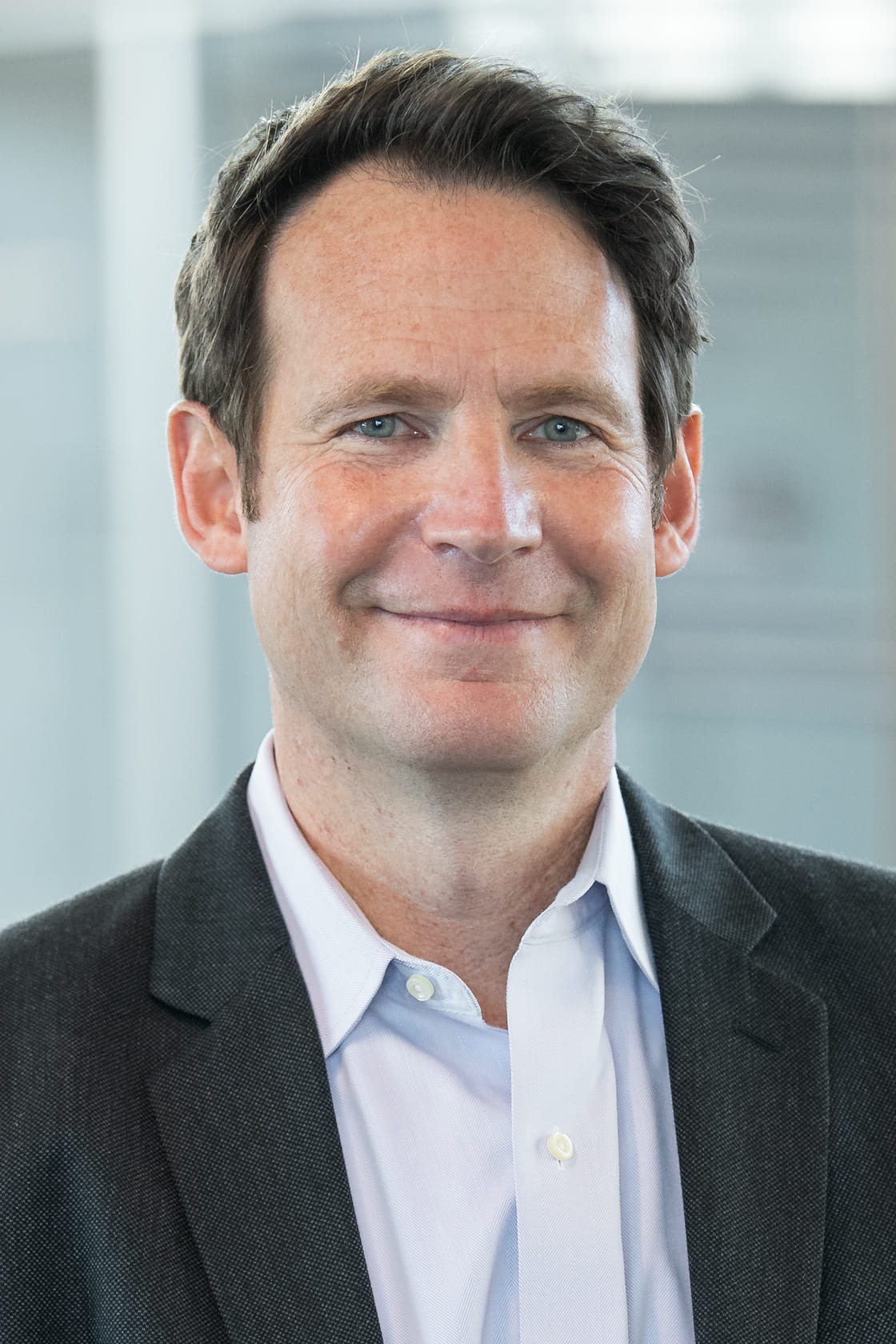
Tom Mould is a Professor of Anthropology and Folklore at Rollins College with research interests in oral narrative traditions and storytelling, digital folklore, poverty and social justice, Indigenous studies, Latter-day Saints, and the American South. He has authored, co-authored, or co-edited nine books including Overthrowing the Queen: Telling Stories of Welfare in America (2020) that won the Chicago Folklore Prize and the Brian McConnell Book Award and Choctaw Traditions (2025) that was selected as the Mississippi Library Commission’s 2026 Great Reads from Great Places.
He has taught in higher education for over thirty years including at Indiana University; Elon University where he was the J. Earl Danieley Distinguished Professor of Anthropology and Folklore; Butler University, and Rollins College. He has engaged in public scholarship through his ethnographic videos for local PBS television stations; museum exhibits; public panels, talks, and workshops; television documentaries, and op-eds.
Television and online church: aspects of the impact of digital technologies on Greek folk worship
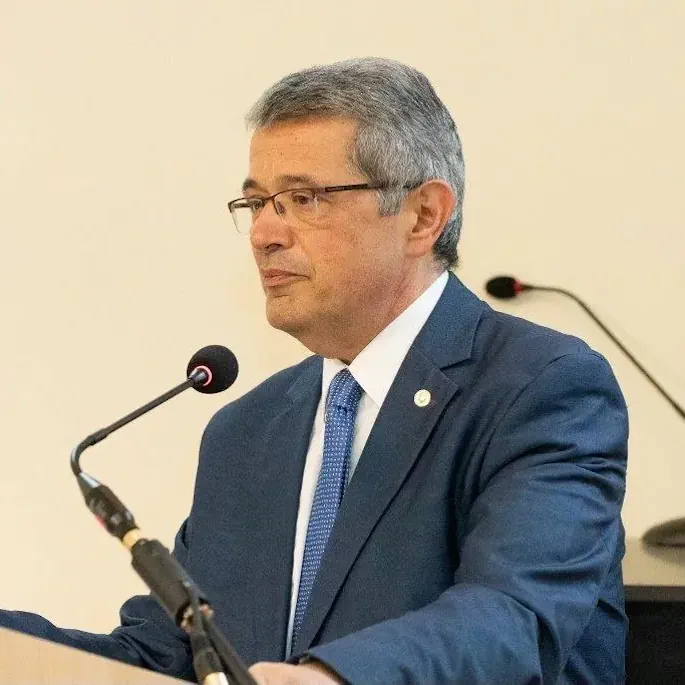
Emmanouel Ger. Varvounis (Samos, 1966) is a Professor of Folklore Studies. He has served as Chairman of the Department of History and Ethnology at Democritus University of Thrace (2016–2020) and Dean of the School of Classical and Humanistic Studies at Democritus University of Thrace (2021–2025), as well as Member of the Board of Directors of the “Ethnological Museum of Macedonia – Thrace” (2021–2022). He is the founder and Director of the “Laboratory of Folklore and Social Anthropology” at DUTh (2015–present), Director of the “Centre for Ecclesiastical, Historical and Cultural Studies” of the Holy Metropolis of Samos and Ikaria (2017–present), Secretary General of the “Hellenic Folklore Society” (2023–present), Co-founder of the Inter-Departmental and Inter-Institutional Postgraduate Programme “Folklore, Folkloristics and Cultural Management” of the Departments of Philology and Primary Education of the National and Kapodistrian University of Athens, History and Ethnology of DUTh, and Primary Education of the University of the Aegean (2022–present), and Director (2024–present) of the Postgraduate Programme “Cultural Studies: Modern Hellenism and Balkans”, of the Department of Humanities of the School of Humanities at DUTh. He also serves as Chairman of the Special Scientific Committee of the Holy Synod of the Church of Greece for the organisation of academic conferences on the Revolution of 1821 (2018–2021) and on the Asia Minor Catastrophe, the Treaty of Lausanne, and the Exchange of Populations (2021–2024). He is a Member of the International Advisory Board of Çanakkale Onsekiz Mart University (ÇOMÜ), Turkey (2024–present), and a Member of the “Council of Intangible Cultural Heritage” of the Ministry of Culture (2024–2027). He has been honoured with the Officia of “Archon Prostatis ton Grammaton” of the Ecumenical Patriarchate and of “Grand Archon Chartophylax” of the Patriarchate of Alexandria and All Africa. In 2010 he was awarded a prize by the Academy of Athens, in 2022 he received the Gold Medal of the Municipality of Eastern Samos, and in 2023 he was honoured by the Municipality of Komotini. He is an Honorary Citizen of the Municipalities of Chios, Oinousses, and Western Samos. He holds four honorary doctoral degrees (USA, Romania, Greece) and is a full, corresponding, or honorary member of eight foreign Academies (USA, Italy, Spain, Portugal, Austria, Germany). He is a full member of the Academia Europaea and an Honorary Professor of the Department of Classical and Modern Greek Philology at the University of Bucharest. His books and studies have been translated and published in English, French, Spanish, Italian, German, Serbian, Turkish, Russian, Georgian, Armenian, Arabic, Romanian, Ukrainian, and Bulgarian. At the invitation of foreign universities and learned societies, he has delivered lectures and talks- in addition to Greece and Cyprus- in Belgium, Germany, Italy, Luxembourg, Denmark, Sweden, Egypt, Russia, Serbia, Latvia, Finland, Turkey, Georgia, Spain, Poland, Romania, Albania, Iceland, Australia, the United States, and Bulgaria.
WANTED
(un)Dead or Alive:
AI,
alias ‘Trickster,’
alias ‘Kid Id,’
alias ‘Changeling,’
alias ‘Doppelganger’
alias ‘Chimp’
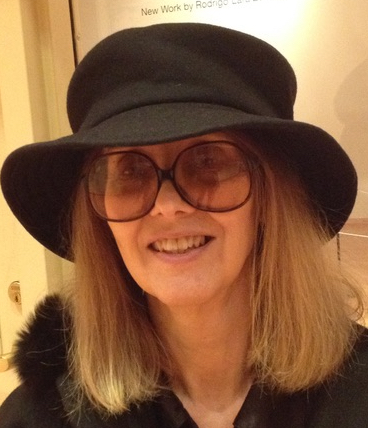
Gail Cooper is an American private scholar with a background in Classics, and interdisciplinary interests in folklore and comparative myth; comparative literary and film criticism; phenomenology; evolutionary psychology; paleo-musicology; paleo-political science; and cognitive science. Her focus is on tracing the roots of human mind back into the far distant past and forward again, in their survivals in the art, literature, and mental milieu of fully contemporary culture.
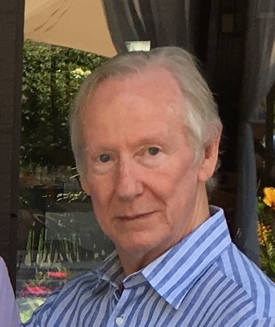
Carl Lindahl is a Fulbright Distinguished Scholar, Fellow of the American Folklore Society, Ph.D. honoris causa University of Edinburgh, and internationally recognized for his work in folk narrative, medieval folklore, traditional healing strategies, and ways in which folk cultures seek and exercise covert power. His 15 books include Perspectives on the Jack Tales (2001), American Folktales from the Collections of the Library of Congress (2004), Second Line Rescue: Improvised Responses to Katrina and Rita (2013), and We Are All Survivors: Verbal, Ritual, and Materials Ways of Narrating Disaster and Recovery (2023). In 2005 he founded Surviving Katrina and Rita in Houston [SKRH], the world’s first project in which disaster survivors have taken the lead in documenting fellow survivors’ experience of disaster.